

MYPICTURE UK Survey Finds Mums Value Meaning Over Formula on Mother’s Day

Personalised Canvas Prints from MYPICTURE
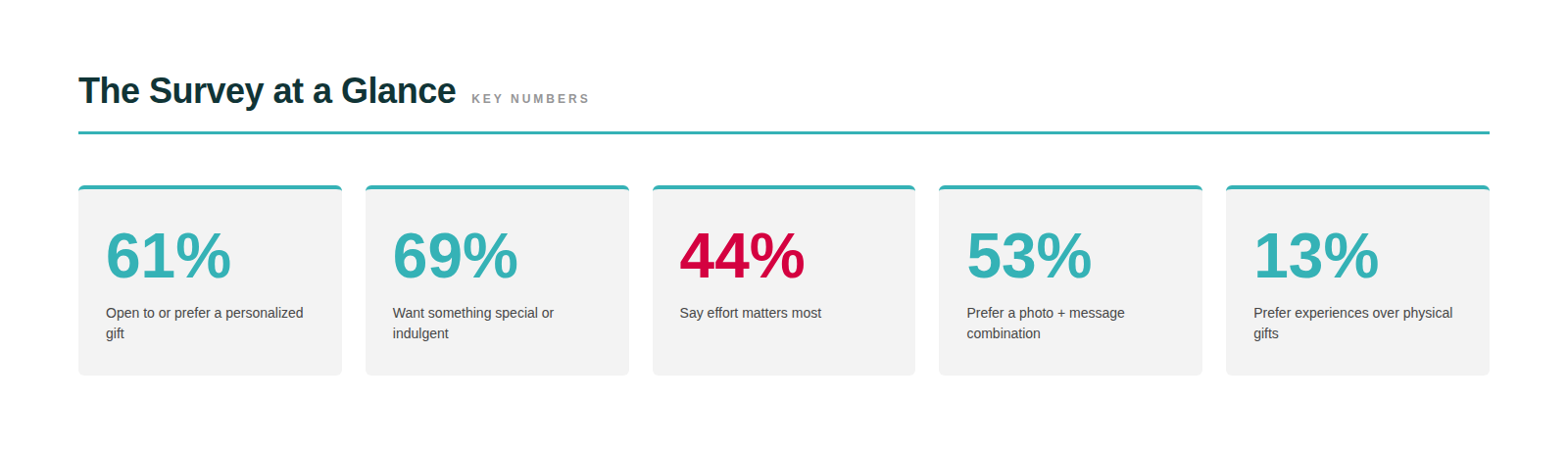
The survey found that visible effort matters most, with 44% saying the most thoughtful Mother’s Day gifts are those that show effort in creating something.
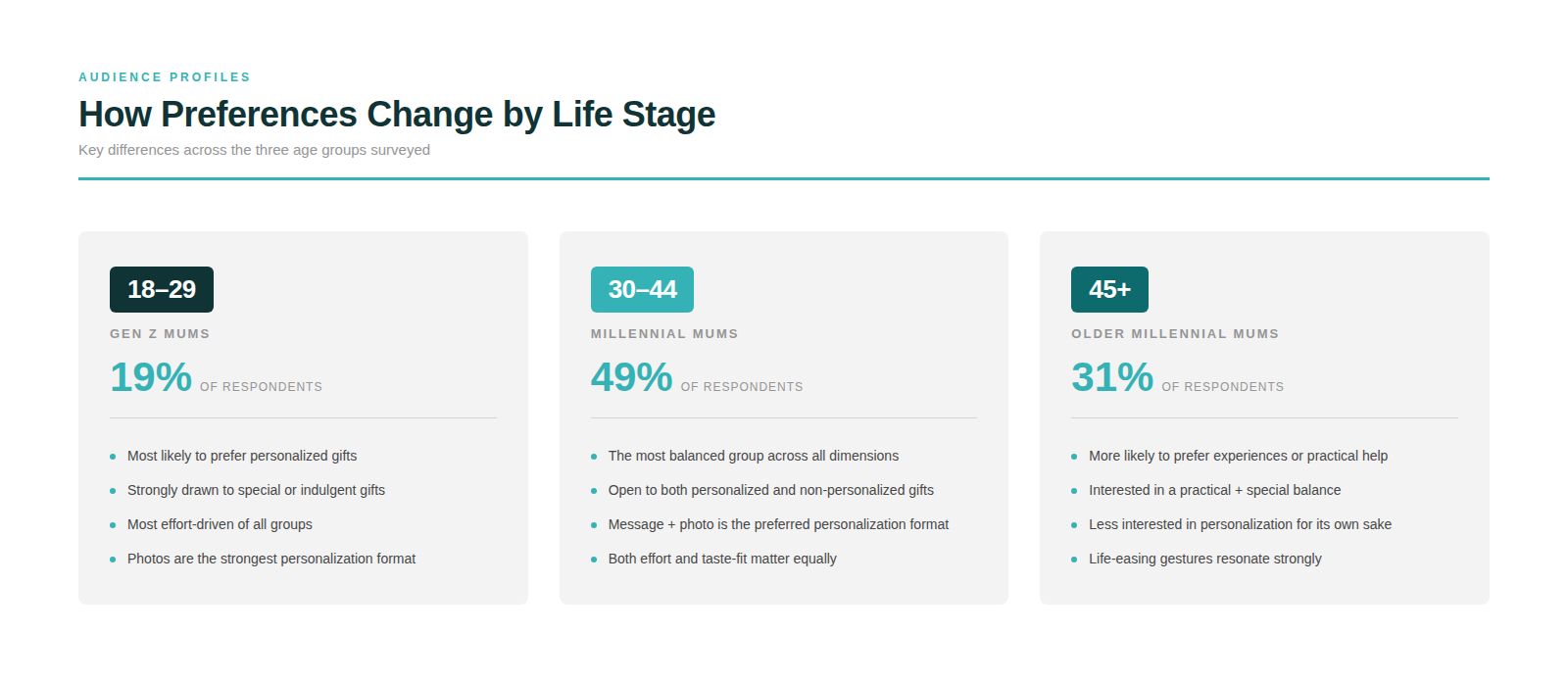
Preferences varied by life stage, with Gen Z mums most open to personalised gifts and older mums showing a stronger lean towards practical help and experiences.
A directional UK survey of 100 respondents suggests effort, memory and emotional relevance matter more than personalisation alone.
The survey combined responses from a follower survey and Instagram polls, creating a directional sample of 100 respondents across six questions and three age groups. While not nationally representative, the findings offer a useful snapshot of how families may be thinking about Mother’s Day gifting in the UK.
Among the headline findings, 36% of respondents said they were open to either a personalised or non-personalised gift, while 25% preferred a thoughtful non-personalised gift and 25% preferred a personalised one. Only 13% said they would rather receive an experience or practical help instead.
The results also suggest that emotional weight matters more than functionality alone. Asked about preferred gift style, 35% of respondents chose something special or indulgent, while 34% preferred a mix of practical and special. Practical and reusable gifts came in at 18%, and decorative or keepsake-led gifts at 12%.
One of the clearest findings related to thoughtfulness. Forty-four per cent of respondents said the most thoughtful aspect of a Mother’s Day gift is “putting effort into creating something”, compared with 35% who chose “choosing something that fits my taste”, 14% who preferred “planning to make life easier”, and 6% who selected “getting exactly what I asked for”.
The survey also found that not all forms of personalisation carry the same emotional value. When asked which type of personalisation they preferred, 53% of respondents chose a combination of message and photos, compared with 33% for photos alone and 9% for name, initials or message alone. Five per cent said they do not like personalised gifts at all.
The findings suggest that personalisation resonates most strongly when it helps tell a story rather than simply label a product. The accompanying analysis argues that the strongest Mother’s Day gifts are not just personalised in a technical sense, but emotionally specific: gifts that preserve memory, reflect taste, show effort and make the recipient feel seen.
Differences also emerged by life stage. In the published analysis, Gen Z Mums aged 18 to 29 appeared the most open to personalised gifts and the most responsive to visible effort. Younger Millennial Mums aged 30 to 44 emerged as the most balanced group, open to both personalised and non-personalised gifts. Older Mums aged 45 and above showed the clearest lean towards experiences, practical help and gifts that make life easier.
The published article links these findings to broader gift-giving research suggesting that recipients often value thoughtfulness and sentimental meaning more than givers expect, and that customised gifts tend to resonate most when they feel genuinely tailored.
The full analysis, titled What Mums Really Want for Mother’s Day: More Meaning, Less Formula, is available on The Customization Group’s Medium profile.
Emilia Bieniek
The Customization Group
email us here
Visit us on social media:
Instagram
Facebook
Other
Legal Disclaimer:
EIN Presswire provides this news content "as is" without warranty of any kind. We do not accept any responsibility or liability for the accuracy, content, images, videos, licenses, completeness, legality, or reliability of the information contained in this article. If you have any complaints or copyright issues related to this article, kindly contact the author above.
